Jennifer Ashby, Contributing Writer | March 2, 2023
How to Start Working Out Again (Or For the First Time Ever)
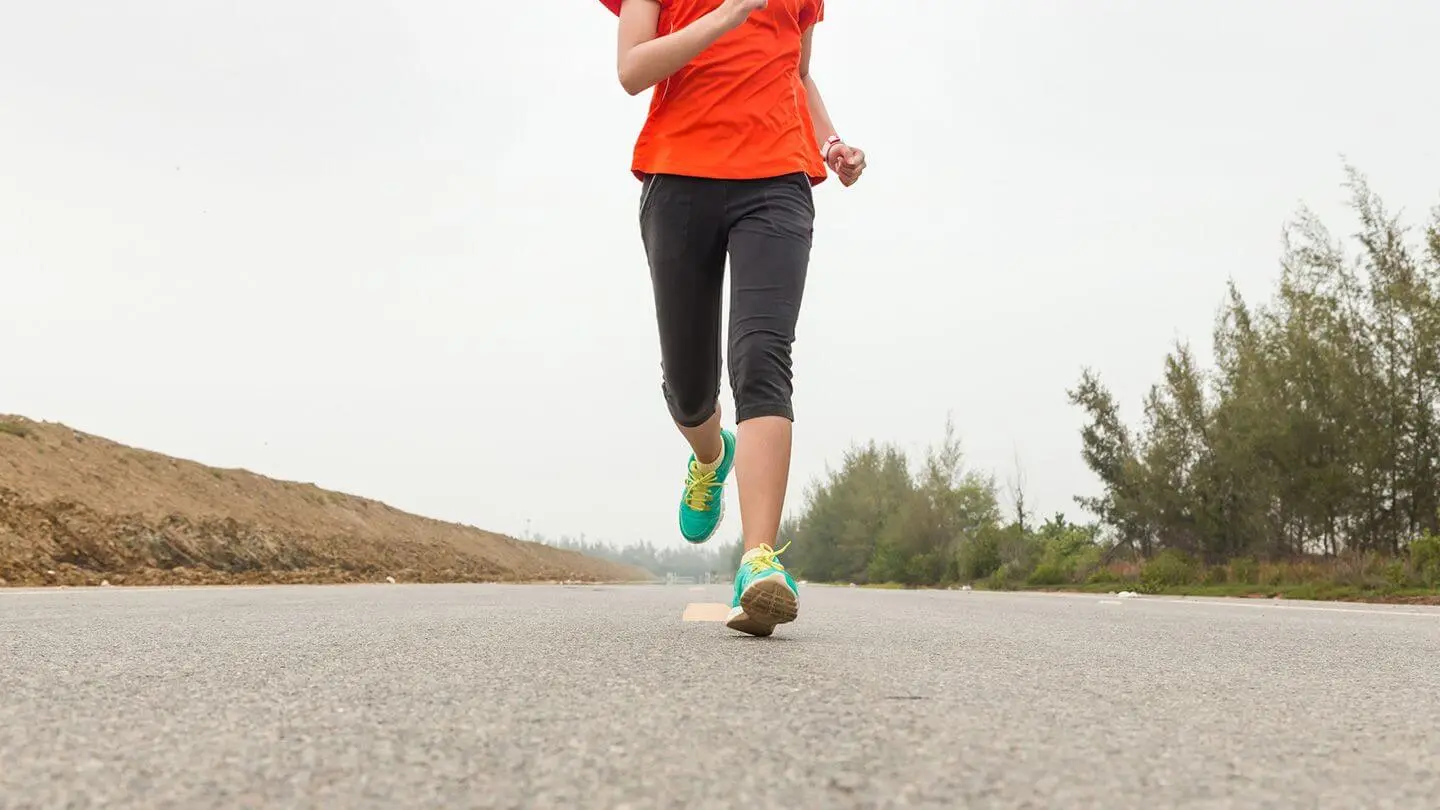
Restarting (or starting) an exercise habit when you are accustomed to being sedentary can be tough. Not only is forming a new habit difficult psychologically, but it can also be much less fun and more challenging to exercise when you are out of shape. In addition, it can be harder to find fitness motivation if you are feeling sluggish or stressed after months of quarantine. To help you start exercising again (or for the first time ever) while avoiding injury and enjoying the journey, the following are some strategies for building a new workout routine:
1. Find Meaningful Fitness Motivation
The motivation to return to the gym and get back in shape needs to come from within you. To find your fitness motivation, ask yourself why making the change is so important. We suggest going beyond external motivators like losing a few pounds or looking better in an outfit. Dig a little deeper to discover to discover your real “why.” Maybe you want to feel better overall or have more energy to play with your kids. Maybe you want to sleep better or feel less stressed. Whatever your reasons, your “why” will help you keep going even when things get tough.
2. Start Slow
Even a short amount of time away from the gym can result in a significant reduction of strength, muscle mass, and blood volume. So, whether you are a gym newbie or a former fitness fanatic returning to the gym after a few months off, it’s important to take things slow. Trying to start where you left off before COVID-19 or jumping into training too quickly puts you at risk for injury or burnout. To ease back into things, start with light cardio workouts for 20 to 30 minutes a day. Before and after every workout, check in with your body to determine whether to drop or increase intensity. When your body feels ready, you can start working up to longer workouts while ramping up the intensity and adding weight training. Eventually, you’ll want to get to a point where you’re clocking in 150 minutes of moderate aerobic activity or 75 minutes of high-intensity exercise per week.
3. Remember to Warm Up
Warming up is especially important after a long period of inactivity. By taking the time to perform a proper warmup at the top of your workout, you can prepare your body for exercise and minimize your risk of injury. Aim to warm up for 5 to 10 minutes at the beginning of your exercise session. Examples of good warmup exercises include dynamic stretching like arm circles and leg swings or light cardio exercises like jumping jacks and skipping rope.
4. Expect Some Soreness
After not exercising a muscle group for a while, you may experience soreness during or after your workout. In most cases, mild soreness is normal, and your body will recover quickly without any lasting damage. However, if you experience intense pain or soreness that worsens over time, you should get it checked out by a health professional.
5. Don’t Forget Nutrition
Part of getting back in shape is feeding your body the fuel it needs to grow. Proper nutrition is also essential to helping you power through your workouts and recover after. On the other hand, poor nutrition and excessive alcohol consumption can affect your body’s response to exercise and increase your risk of injury. Just as you take things slowly with exercise, focus on changing your diet one small step at a time. By tweaking your nutrition over time, you’ll avoid becoming overwhelmed. A good first step for improving your health is to drink more water. Next, focus on eating more vegetables and fruits, in addition to real, whole foods like fish, nuts, and avocados. Try to steer clear of added sugars and refined carbs, but never beat yourself up if you slip up from time to time.
6. Celebrate Tiny Wins
Particularly if you used to work out often, the slow-going process of getting back into shape can be frustrating. It may take a while for you to return to your previous level of fitness – and that’s okay. It’s important to be patient and enjoy the process of taking care of yourself and improving your health. As you work on getting back in shape, it helps to recognize and celebrate the little steps along the way. Celebrating tiny wins – like being able to hold a plank a few seconds longer than last week, drinking lots of water, or eating a healthy breakfast – can give you the boost you need to accomplish bigger, long-term goals.
Related Articles